Water Extraction & Structural Drying After Storm Damage
Storm & Hurricane Water Damage Restoration Daytona Beach
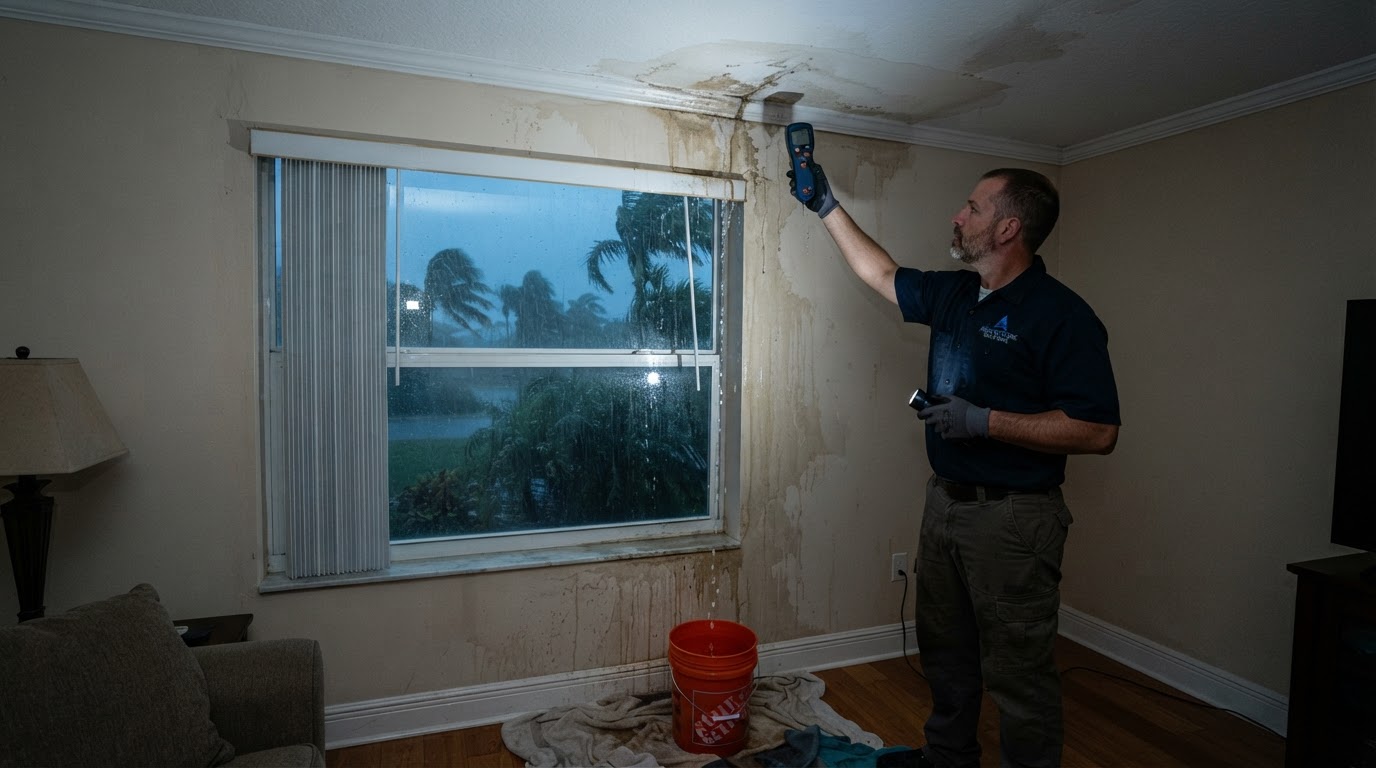
Coastal Florida weather brings heavy rainfall, wind-driven rain, and tropical storms that can push water into homes and businesses through roof openings, windows, and exterior doors. We handle storm water extraction and structural drying throughout Daytona Beach.
Request Water Damage Service
Fill out the form below and our team will get in touch with you immediately.
How Storms Can Cause Water Damage
Daytona Beach's coastal location means properties are regularly exposed to heavy rainfall, tropical weather, and during certain seasons, hurricane conditions. Wind-driven rain can be forced through openings that would not leak during normal rainfall, including small gaps in roof flashing, around vents and skylights, through window seals, and under exterior doors.
Prolonged heavy rainfall can overwhelm drainage systems and lead to water entering through exterior openings. Roof damage from wind or debris can create new entry points for water. Properties with significant indoor flooding may require dedicated flood damage cleanup when large amounts of water have accumulated inside.
Wind-Driven Rain Entry
- Roof flashing and vent gaps
- Window and sliding door seals
- Exterior door thresholds
- Siding and wall penetrations
- Skylight and chimney flashing
Rainfall & Flooding
- Prolonged heavy downpours
- Drainage backup and overflow
- Roof opening water entry
- Indoor flooding from exterior water
- Storm debris creating new entry points
A property should not be assumed to be hurricane-damaged without a site evaluation. Storm water intrusion can range from a small leak around a window to significant indoor flooding. Each situation is assessed individually to determine the extent of water entry and the appropriate mitigation approach.
Storm Water Damage Restoration Process
From safety evaluation through final moisture monitoring, each step addresses storm-specific water intrusion and the hidden moisture it leaves behind.
Evaluate the Property When Conditions Permit
Once weather conditions allow safe access, we assess the property for water intrusion, identifying affected rooms, materials, and the entry points for storm water.
Identify Active Water Entry
We determine whether water is still entering the property through roof damage, window openings, door gaps, or other exterior breaches that may need to be addressed.
Address or Isolate Continued Intrusion
Where practical, we isolate the water entry. Where roof damage or exterior openings exist, appropriate exterior repairs may be needed to stop continued water entry before drying can be effective.
Remove Standing Water
Professional extraction equipment removes storm water from flooring, carpet, and surface areas throughout all affected rooms.
Inspect Walls, Ceilings, Floors & Concealed Areas
We inspect drywall, ceilings, insulation, attic spaces, and wall cavities for moisture that has entered through roof penetrations and exterior openings.
Detect Moisture Migration
Moisture meters identify water that has traveled into concealed spaces, including wall cavities, ceiling assemblies, and beneath flooring.
Install Drying & Dehumidification Equipment
Air movers and dehumidifiers are positioned to promote evaporation and capture moisture from wet building materials. Our structural drying and dehumidification service covers this phase.
Monitor Moisture Levels
Moisture levels are checked during the drying period to confirm progress and adjust equipment positions as areas reach drying goals.
Evaluate Remaining Restoration Needs
Once drying is complete, we evaluate any remaining affected materials and discuss appropriate next steps for restoration planning.
Common Storm Water Damage Areas
Storm water tends to affect specific areas of a property based on how it enters. Roof leaks send water into ceilings and attics, wind-driven rain pushes water through window and door openings, and flooding can affect flooring and lower wall sections throughout multiple rooms.
Ceilings
Water from roof leaks saturates ceiling drywall and travels to lower areas.
Attic Spaces
Roof water enters attics, saturating insulation and roof decking.
Exterior Walls
Wind-driven rain enters through siding gaps and wall penetrations.
Drywall
Wet drywall loses structural integrity and may require removal.
Insulation
Ceiling and wall insulation absorbs water and may need removal.
Floors
Standing water from storm entry saturates flooring and subfloors.
Window Areas
Water enters through window seals and tracks, damaging surrounding drywall.
Sliding Doors
Wind-driven rain forces water through door tracks and seals.
Roof Penetrations
Vents, skylights, and flashing gaps allow water entry during storms.
Garages
Storm water enters through garage doors and openings.
Commercial Roofing
Large roof systems on commercial buildings are vulnerable to storm entry.
Condo Units
Upper-unit leaks can send water into multiple units below.
Residential & Condo Storm Damage
Single-family homes, beachside condos, and multi-unit properties each face different storm water challenges. Condos may need containment to protect neighboring units, while homes may have attic and roof damage requiring exterior repairs before drying can be effective.
Commercial Storm Damage
Commercial buildings with large roof systems, expansive floor plans, and multiple material types require careful assessment and equipment placement. Our commercial water damage restoration service addresses business property storm losses.
Storm & Hurricane Water Damage FAQ
Answers to common questions about storm water intrusion, roof leaks, and the restoration process after coastal Florida weather events.
If it is safe to do so, move belongings away from the water and place containers under active leaks to catch dripping water. Avoid entering rooms with standing water if electrical outlets or appliances are nearby. Once conditions are safe, contact Daytona Beach Water Damage Restoration at 386-401-5178 so extraction and drying can begin before water migrates further into building materials.
Yes. Wind-driven rain can be forced through small gaps in flashing, around vents and skylights, through window seals, and under exterior doors even when the roof appears intact. The wind pressure during storms can push water into openings that would not normally leak during calm rain. Moisture detection helps identify all entry points.
Water entering through a roof opening can travel along roof decking and rafters before saturating ceiling drywall and insulation below. The water may appear as a stain or drip in a room that is not directly below the roof opening. Wet insulation in the attic or ceiling assembly loses its effectiveness and can hold moisture against structural materials.
Yes. Wet insulation should be inspected during the assessment. Depending on the material type and extent of saturation, wet insulation may need to be removed to allow the structure to dry properly. Insulation that remains wet can hold moisture against drywall, wood, and other materials, extending the drying time and potentially affecting surrounding materials.
Yes. Water that enters through roof penetrations, window openings, or exterior wall breaches can travel down through wall cavities, saturating insulation, drywall, and studs along the way. The water may not be visible from inside the room until it reaches the bottom of the wall cavity or appears as staining. Moisture meters are used to detect water inside wall cavities.
After extraction, the focus shifts to structural drying and dehumidification. Air movers promote evaporation from wet materials, and dehumidifiers capture moisture released into the indoor air. This phase addresses water that has absorbed into drywall, insulation, ceilings, and wall cavities that extraction alone cannot reach. Where roof damage exists, exterior repairs may be needed to prevent continued water entry.
Yes. We handle storm water damage in Daytona Beach commercial properties including offices, retail stores, restaurants, hotels, and multi-unit buildings. Commercial roof systems, large floor plans, and multiple material types require careful equipment placement and monitoring. Our commercial water damage restoration service addresses the specific needs of business properties.
Storm Water Inside Your Daytona Beach Property?
Storm water can travel through roof openings, wall cavities, and ceiling assemblies before becoming visible. Professional moisture detection identifies all affected areas so drying addresses the full extent of the water loss.
386-401-5178Daytona Beach, FL 32114 | daytonawaterdamagerestoration@gmail.com
Related Water Damage Services
Flood Damage Cleanup
Indoor flood water removal, cleanup, and structural drying after storm and plumbing-related flooding.
Learn MoreEmergency Water Removal
Rapid standing water removal using professional extraction equipment for storm-related indoor flooding.
Learn MoreRoof Leak & Hidden Water Damage Cleanup
Detection and drying for ceiling water stains, roof leak intrusion, and hidden moisture after storms.
Learn MoreStructural Drying & Dehumidification
Professional drying of wet walls, ceilings, and building materials after storm water extraction.
Learn MoreWater Damage Restoration
Complete water damage mitigation including extraction, moisture detection, and structural drying.
Learn More